Economical Olive OIl recipe

I tried a new soap recipe last weekend and I liked it very much. It is a castille soap that uses coconut and palm oil in addition to olive oil. These oils are less expensive than olive oil and it only took about 10 minutes to trace versus at least an hour for pure olive oil. It lathers beautifully and has the same qualities as pure olive oil. This recipe also produces a harder bar of soap.

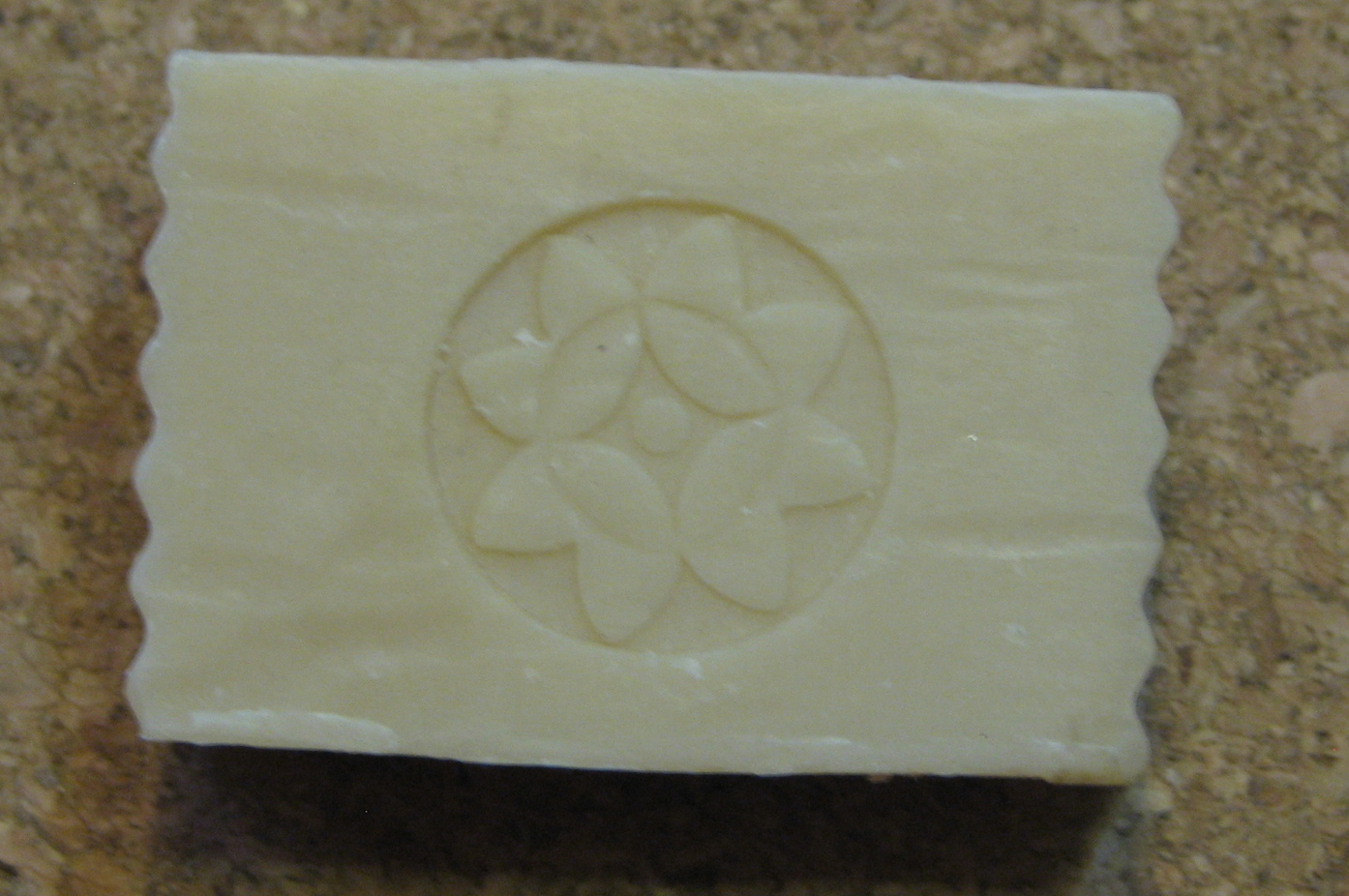
Olive, coconut & palm oil soap bar

Refer to previous soap post for complete soap making process details if you are a beginner!

3 pounds cold water or 2 pounds goat milk soap and 1 cup water

473 grams sodium hydroxide

4 pounds (1.81 kg) olive oil

2 pounds 8 ounces (1.13 kg) coconut oil

1 pound 8 ounces (680 g) palm oil

optional: fragrance essential oil & coloring

Directions

Line your mold with freezer paper and mitre corners to make a clean edge and tape paper in place.

Measure out fragrance essential oils and coloring if using, and set aside to be added at trace.

Using safely glasses and gloves mix sodium hydroxide and liquid until completely dissolved. Make sure room is well ventilated as this mixture will create fumes. I add the lye a small bit at a time and stir until dissolved before adding more. This slows heat production and curdling of milk if using milk, and lessens the intensity of fumes produced. Set aside and let cool to 80 degrees F.

While lye mixture is cooling begin mixing oils. Heat oil to 80 degrees F. I purchase coconut and palm oil in microwavable containers so I melt and then weigh out the correct amount.

When lye and oils are at the correct temperatures mix oil into the lye mixture slowly beating until incorporated. Continue to add/mix until all oil is added. Beat with electric mixer until the soap reaches trace. (Trace is when the soap drizzles sit on top of the soap mixture briefly before melting in.) At trace add fragrance and color if desired.

Quickly pour into prepared molds and cover with freezer paper. Soap should be stored in a place where it will not be disturbed. Cover with blanket or towels to insulate the soap for the next 24 hours. Do not Disturb!!

After 24-48 hours remove from molds. Cut and trim into whatever size bars you desire. Now is the time to stamp if you want to add that decorative touch. Place soap bars on a screen to cure for 4-6 weeks. Cover lightly with cloth to protect. If using plastic molds you may need to place in the freezer for a short period of time in order to get the soap to release cleanly. This will not damage the soap in any way. I have used this technique many times for molded soap or candles.

This recipe makes approximately 40- 4 ounce bars. I use cardboard boxes as molds along with some commercial plastic molds. Feel free to experiment with things you have around the house to use as molds. Some people use individual yogurt cups, etc. There are wooden boxes of many sizes and shapes that can be purchased from soap making suppliers.

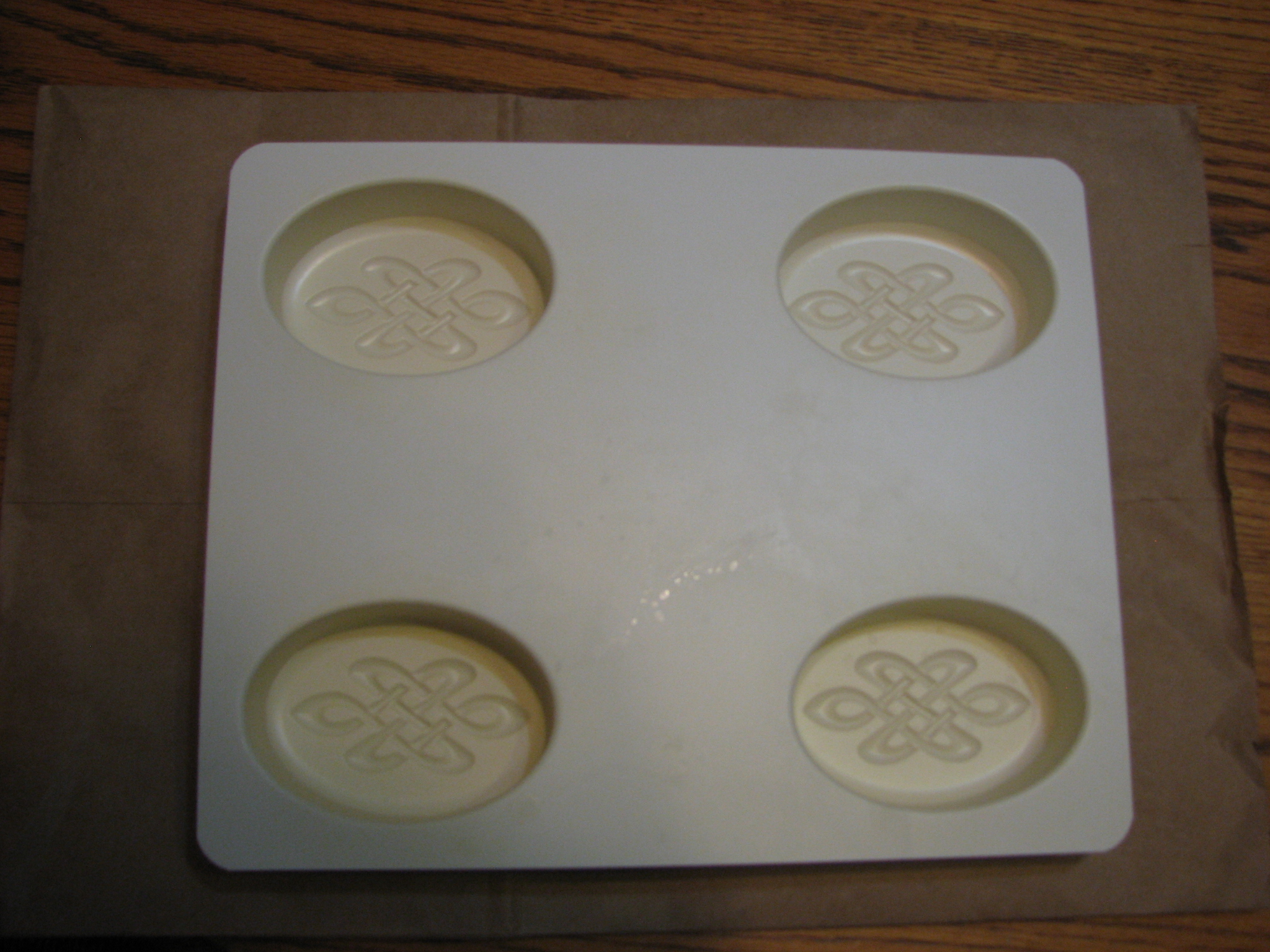
plastic soap molds- 6 oz.

Happy soaping!

This soap recipe was taken from The Natural Soap Book, by Susan Miller Cavitch.

Posted in Uncategorized | Tagged , , | 3 Comments

Homemade Candy is a Treat

When I was a child, my Mother loved to make candy for special occasions and sometimes just for us to enjoy.  My Aunt , as well, always made candy for every holiday.  I was lucky enough to help her “pull” the taffy and “powder” the ribbon candy.  I’m sure because of this model, I never felt intimidated to try candy recipes.  My candy does not always appear as perfect as store bought, but they always taste great.

I am going to share two recipes for candy that always are a big hit with my family.  I made them for Easter this year in just a couple of hours.

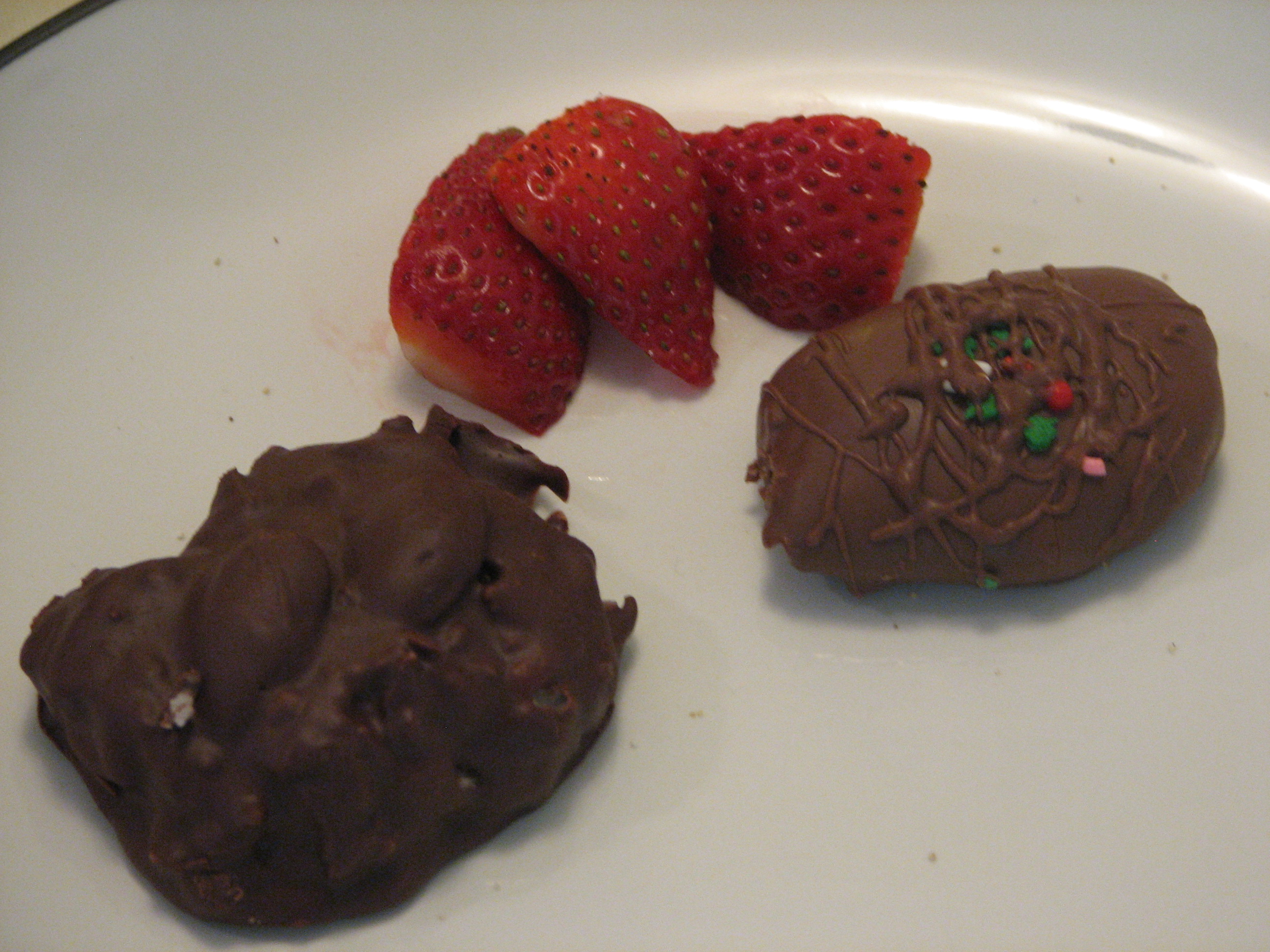
homemade Almond Joy & Peanut Butter Cup

Peanut Butter Eggs
1/2 cup butter, softened

2 1/3 cups confectioners sugar

1 cup graham cracker crumbs

1/2 cup creamy peanut butter

1/2 tsp vanilla extract

Optional

1/2 cup coconut

1 cup ground nuts (walnut, almond, pecan)

Coating

1 1/2 cup chocolate chips (dark, milk chocolate, semi-sweet)

2 Tblsp shortening

pastel sprinkles

In large bowl, cream butter; gradually add the confectioners’ sugar, cracker crumbs, peanut butter, vanilla, and optional additions.  Shape into desired size eggs; place on wax or parchment paper lined baking sheets.  Refrigerate for 30 minutes or until firm.

In microwave, melt chocolate chips and shortening; stir until smooth.  Dip eggs in chocolate;  allow excess to drip off. (I use 2 forks to dip the eggs).  Decorate with sprinkles; return eggs to waxed paper.  Chill until set.  Store in air tight container.

Almond Joy

7 oz sweetened condensed milk

1 cup powdered sugar

1 tablespoon pure vanilla extract

pinch of salt

2 1/2 cups unsweetened flaked coconut

30 almonds

20 oz of good quality semi-sweet or dark chocolate chips

2 tablespoons shortening

Preheat oven to 350 degrees F, spread raw almonds onto a baking sheet and toast for 10 minutes.  Remove to cool.

In a medium sized bowl, whisk together sweetened condensed milk, xxx sugar, salt and vanilla extract.  Stir un coconut.  Mixture will be thick.  Freeze for 30 minutes to make it easier to work with to form candy’s.

Line a baking sheet with parchment paper.  Remove coconut mixture from freezer and with clean hands shape one tablespoon of coconut into little logs about 2 inches long and 3/4 inch thick.  Press  together so they don’t fall apart when dipped in chocolate.  Press an almond or two (as desired) into each log.  Refrigerate candies to chill.

Follow same directions to dip candies in chocolate and store.

Optional

Chocolate may be drizzled over the top of the candies as decoration.  Select your type, melt and place in plastic zip-lock bag.  Cut a small tip from corner of bag and drizzle over candies.

Enjoy these simple pleasures and share them with family and friends!

Posted in DIY, Recipe, Uncategorized | Tagged , | Leave a comment

Goats A Plenty

A dead log makes a great kid playground

It’s April and all my does have kidded for the season.  What a relief!!  This picture shows some of my Alpine babies.  I plan to have does (female goats) kid (have their babies) during April when the weather is a bit more congenial.  I teach long hours every day at a Catholic High School, and I hate coming home to find a doe, or newborn kids in distress or worse.  It’s easier on all of us if the does kid in late spring.  This year was a great year with strong and healthy babies.  Having all does except 3 bucklings (male goat babies) made the kidding season a true success.

Raising goats is one of my pleasures.  They are dog-like in nature, don’t require nearly as much space as larger farm animals, can be taken care of and handled by children, and convert feed much better than their larger alternatives.  There is a myth that goats eat anything.  This is definitely not true, but they do a great job eating brush from woods and pastures.   Goat favorites are brambles.  The wild berry plants on my farm don’t produce an over abundance of fruit and they scratch arms and legs when trying to navigate through them.  I am only too happy to share these woody, thorn laden stems with my goats.

I prepare each year for the kidding season by stocking my medicine chest with latex disposable gloves, 7 % Iodine, colostrum powder, (or frozen colostrum stored in the freezer), and a high calorie nutrient drench just in case mom or babies need a quick pick-me-up.  In recent years I added  selenium gel to the regime.

When newborn kids are discovered in the pasture, I slip on a pair of latex gloves and immediately dip the kid navels with a 7% Iodine solution.  I use a container normally used to dip teats after milking to prevent udder infection, but it works great to dip the navel area, complete with body wall.    Dipping the cord with iodine is a preventive measure that dries the cord quickly thereby preventing pathogens from entering the body through a moist cord.  Dipped cords  dry up in a matter of a day, and this helps prevent “naval ill” which potentially kills newborn kids.  I use gloves because iodine stains skin and jewelry and it dries out my skin as well as kid navels.

The accepted recommendation for feeding goat kids is to pasteurize the milk and then bottle-feed back to the kids.  The reason for this is because there is a goat virus, caprine arthritic encephalitis (CAE) that causes a variety of afflictions  to both newborns and adult goats.  It is prevalent in American goat herds and can take years to show clinical signs.   Heat treating colostrum and pasteurizing milk kills the virus.  While the virus can be passed through any bodily fluids, taking this precaution with the milk may help prevent the disease.  A responsible goat herder pulls the babies off the mother as soon as they are born and bottle feeds them till weaning.

Weak kids require extra attention.  If a weak kid is found is still wet, it needs to be dried off and warmed up quickly.  A hair dryer can be used to warm kids but if they are really cold, they can be put in warm water to bring up body temperature, then dried quickly.  A hot water bottle or two packed around a weak kid and a warm cover can make a big difference.   Heat treated colostrum, selenium gel, and a high calorie nutritive drench should be given as soon as the kids body temperature goes up.   Kids need to be kept warm if they are weak and sometimes a heat lamp is needed, or simply a trip to the house for a day or two.

As with any other infant, kids need to be checked a few times a day to make sure they have not gotten into any kind of trouble.  A healthy kid will be very active and alert.  Kids under stress are lethargic and don’t feed well.

There is nothing better than coming home after a hard day at school and watch the goat kids “flock” around the goat pen; leaping on and off logs, or their mothers.  They run from one end of the paddock to the other and back again until they tire and lie down to nap.

Two of my girls greedily eating green grass!

If you have further questions or comments please let me hear from you!

Happy Easter!

Posted in Animal Care | Tagged , | 1 Comment

Olive Oil Soap Recipe

I have been asked to share a soap recipe and I thought Olive Oil would be a good choice.   I love its gentleness and the luxury of a rich lather. One of Life’s Simple Pleasures for me is showering with hot water using a rich bar of soap that pampers!

I have olive oil / goat milk soap and olive oil melt and pour soap bars for sale if interested.  I also have goat milk, milk, & honey bars for purchase.  These bars do not lather as much, but they nourish the skin and exfoliate and have a “fresh” natural smell.

This is a basic recipe to try your hand at making soap. Let me know what you think!

Quality Olive Oil Soap Recipe

1.  5 cups water. (I use 3 cups goat milk and 2 cups water)

2. 20 cups of olive oil.

3. Carefully measure Lye, not to exceed 18 ounces.

Heat olive oil to at least 100 degrees and set aside. Dissolve lye into water slowly, adding only a tablespoon or so at a time. Stir constantly until dissolved before adding more.  When lye is completely dissolved let  sit until room temperature. Pour lye mixture to the olive oil a bit at a time and blend with mixer. Mixing times may vary, but olive oil soap generally takes at least 45 minutes to trace.  Trace is the point when the soap mixture has thickened so that when you dribble a stream over surface, it sits on the surface briefly before melting into the mixture.  This is the time to add scent or color.  Mix quickly to incorporate and immediately pour into prepared mold.  Leave for 24-36 hours. Cut soap into bars, trim, and cure for a month on wire or plastic mesh to allow for ventilation.  Cover with a towel to protect soap bars during the cure.  Let cure for 1 month before using.

Uses of Castile Soap

What makes it all the more special is that it is  versatile. In fact, it is known as “seafarer’s soap” for this reason. Olive oil soap can be used as shampoo and works well even without conditioner (and is cheaper too!).

Many people insist that the only soap of this kind should be olive oil castile soap. However, other vegetable oils such as coconut, almond, jojoba and hemp can be used as well.  Olive oil soap  is special and “green” because it is biodegradable, lathers richly, and cleans without stripping the skin.  It is safe and extremely gentle on the skin.

Liquid castile soap can be used for general cleaning around the house, for washing clothes and baby diapers, for heavy duty degreasing, for washing the dishes, among many others!

If you choose to add your favorite fragrance or essential oils,  add at trace. I suggest testing the additives on skin before using in soap recipes because they may irritate sensitive skin.

How to Make Liquid Castile Soap

The main difference between liquid soap and bar soap is the base or alkali used. Your liquid castile soap recipe will include vegetable oil and potassium hydroxide, and the usual fragrance and essential oils.

Here is a sample recipe you can try. You will need about 16 oz. of sunflower oil (or olive oil, plus 7 oz. of coconut oil), 5.5 oz. of potassium hydroxide, 16 oz. of distilled water for the lye, and 40 oz. water for the soap paste.

The same procedure is used when making ordinary liquid soap. Simply follow the step-by-step method and you will have your natural castile soap ready in no time.

Posted in bath and body products, DIY, for purchase, Recipe | Tagged | 57 Comments

Soapmaking Basics

Why make your own soap and body products?

You control the ingredients.

Making your own often is less expensive than purchasing ready-made products retail.  These personal care items make great gifts for family and friend.  You can treat yourself to “spa treatment” at home

Soap

Soap is the standard product used to clean our homes, our clothes, and our bodies. Soap making has a long history in our culture and is considered an artisan craft that carries on traditions passed down to us from our ancestors and prior cultures. Soap making is one way to keep us in touch with those arts that provide for our basic living necessities.
Soap “wets” surfaces (called a surfactant) enabling better emulsion so that dirt can be caught up in the lather and removed through rinsing with water. Soap can be made from a variety of ingredients including vegetable, animal, and natural products.
What is soap? As taken from Cavitch, page 2 The Soapmaker’s Compnion, 1997. Soap is the result of, in chemical terms, an acid (fat) and a base (lye) combining and reacting to produce soap and glycerin. This process is termed saponification. The mixture upon brisk stirring will thicken into a uniform thicker consistency. When a bit of soap drizzled onto the surface leave a trail (a pattern) for a moment before disappearing beneath the surface, the soap is ready to be poured into molds. This trail is known as “trace” since only a trace of the pattern remains when the soap is ready.
Soap can be made in a variety of ways but for home use “cold process” is practical using easily accessible materials without the addition of added heat to complete the process.

Two key things to keep in mind when making soap: Have lye and fat mixtures at the correct temperature when mixing, as listed in the recipe, and stir briskly to keep the fat and lye in contact with each other so they can react resulting in saponification.

  • Heat the fat(s) to specific temperature as listed in the recipe before mixing with lye.
  •   Make sure the lye solution has cooled to the correct temperature as listed in the recipe before mixing with the fats.
  •   The mixture must be stirred to bring the acid and the base together until the ingredients have been evenly dispersed in a thick stable emulsion.
  • Saponification continues during the curing phase if the ingredients have been properly mixed, completely removing free lye from the soap making it gentle to use.

Primary Ingredients

Oils

There are numerous fats and oils used to make soap. Each fat or oil imparts characteristics to the finished bar.

Standard fats: tallow-cleans, coconut & soy oil (vegetable shortening)-conditions & increasing lather, olive oil, palm oil, and lard-hardens.  Choose fats by availability, price, and character in soap.
Sodium Hydroxide- otherwise known as lye

  • Due to homeland security measures, lye must be purchased on-line through a registered vendor.
  •  Use caution when handling lye because it is VERY caustic to skin and tissue. Do not allow lye mixed with water to touch any unprotected skin, eyes, or breath fumes.
  •  Keep stored in a tightly sealed container to prevent rock-hard clumping.
  • Do not substitute Drano as lye.
  • Beads or flakes are most practical for home made soap.

Optional Ingredients

Nutratives- various items added to increase conditioning, moistening, healing, or otherwise nurturing skin.

  •  Examples: almond (sweet) oil, beeswax, egg, honey, lanolin, milk, tea tree oil.

Scents and Colorants-products added to scent or color soap.

  • Recommended scents- essential oils. Do not use any product with alcohol, as it will ruin your batch of soap.
  •  Use only scents or colorants listed for soap use. Use to desired scent or color.

Exfoliates- added to remove dead skin, stimulate, and smooth skin.

  •   Example: cornmeal, flaxseed meal, oatmeal, poppy seed, tapioca pearls, or kelp (sea weed). Note kelp will also affect the smell of the soap.

If you want to embellish a recipe consider the following:
1) How much lather do you want?
2) Hard bars melt slower than soft bars.
3) Scent should be pleasant but not overpowering, and should enhance the use of the soap.
4) Design your soap for the intended purpose: laundry or bath use? Personal use or used as a gift? Soften, nourish, exfoliate, relax, etc.
5) Will color enhance the product?
6) Remember that colorants and scents may irritate sensitive skin.

Equipment Needs

  1. Electric mixer (low speed only) or long handled plastic spoon with large paddle & wisk.
  2.   2 Large enamel or stainless steel pots (at least 8 qt)- one for fat, one for lye
  3. 2 heavy rubber or silicone spatulas or plastic spoons
  4. Reliable scale-measure in grams and ounces
  5. Reliable thermometer (0-220F), quick read is preferred
  6. Flexible purchased molds or cardboard/ wood box to hold up to 5 pounds soap (standard batch size)
  7. Liner for cardboard/ wooden box- heavy duty freezer paper works well
  8. Sharp thin paring knife or soap cutter to cut and trim bars.
  9. Safety goggles and gloves (rubber or latex)

Safety

When making soap always wear protective eye goggles and gloves to protect from splashes or spills.

Work in a well ventilated space because lye fumes when mixed with liquid. Open windows, work outside, or use a fan to exhaust fumes. Adding lye slowly and stirring until completely dissolved between additions will help reduce fume production.

Have all ingredients and equipment ready for use.

Think about safety concerns of yourself, your family, your pets, and your environment.

Prevent splashes by pouring slowly.

Keep pots well back on counters to prevent accidental spills.

Be available to monitor the process from start to finish or try another time.

Keep young children and pets or unsuspecting people away from work area.

Let others in the house know what you are doing and where you will be working.

Know how to handle lye safely and how to properly dispose of unused product.

Batches that don’t saponify correctly the first time can generally be heated over low heat with added water and stirred to complete the process. Do not dispose of an unsaponified batch in garbage, down the drain, down the toilet, or dumped outside.

Preparation
Secure a recipe and ingredients.

Set up workspace with required equipment and materials, keeping safely issues in mind.

Have molds lined and ready for pouring.

Make sure you have enough molds for the size of batch you are making.

Note on molds: Plastic reusable molds can be purchased from soap making vendors for a reasonable price (5-15 dollars each). Molds can be made of cardboard boxes lined with heavy duty freezer paper, mitered corners, and taped into place to keep surface smooth and wrinkle free. Wooden boxes work well and also may be purchased to create uniform bars. Be creative, but do not use metal to mold cold processed soap.

Have all nutrients, colors, scents, or exfoliates measured and at the ready prior to beginning.

Put on your safety goggles and gloves.

Mixing

  • Mix and melt fats in amounts specified in recipe over low heat in a large enamel or stainless steel pot. Melt till all solids have been liquefied, then cool to 80-100 degrees F.
  • Measure liquid and weigh lye. Carefully and slowly add lye flakes to liquid stirring after each addition until completely dissolved.
  • Do not breath the fumes! Work in well ventilated space.
  • Add small amounts of lye at a time and stir till dissolved to reduce the amount of fumes produced.
  • Mixing the lye with liquid will produce heat (up to 200 degrees F). Set aside to cool in a safe a secure space till used.
  • When lye and fats are at the proper temperatures called for in recipe, slowly drizzle (small additions at a time) the lye into the oil, stirring quickly with each addition. Make sure to stop the mixer when adding lye to prevent splash.
  • Stir briskly keeping mixture in constant motion until trace. Trace takes 15-25 minutes generally but olive oil (castile soap) can take up to an hour to trace.
  • Just prior to pouring, mix in optional scents and/ or colorants and stir swiftly for 20-30 seconds to incorporate.

The Pour
Mixture should be smooth with no lumps and a uniform texture and color. Watery or oily puddles signal a poorly mixed batch.

If you are not quick enough at the pour and the mixture thickens, use a spatula to spread to corners of box or to fill molds solidly. Smooth the top as best you can.

Cover smoothly with freezer paper or plastic wrap.

Curing
Cover the filled mold (s) with a layer of newspaper or cardboard, then cover with a blanket or other suitable material to slow the cooling of the soap mixture.

Leave undisturbed for 18-24 hours. This process is important, as the insulation allows the soap to heat up and saponify further reducing free lye to soap and glycerin.

After 24 hours, or when soap is set but not hard, remove from molds.

Box molds may be inverted to remove the soap. Remove paper or wrap covering a bit at a time to prevent marring soap surface.

Box mold must then be cut to desired bar size with a sharp paring knife or soap cutter. Mold bars may need to be trimmed to remove irregularities.

Lay soap bars in single layer on plain brown paper, screed, wicker, or rattan mats to provide ventilation.

Let soap bars cure in a dry, well ventilated place, protecting from extreme temperatures.

Allow to cure for 3-4 weeks turning occasionally.

Wrap as you like, preferably in breathable material or stack in a loose weave basket lined with towels. Cover with towel for prolonged storage.

Note: Sometimes a white powder can be seen on the bar surface. This should be wiped from the bar before packaging. It is a lye powder residue that detracts from the aesthetics of the bar.

Heat and Pour Soap
Heat and pour soap is readily found at craft stores and comes in a variety of types: castille, glycerin, or soap base. It is a quick and easy process to decorate, color, or scent soap bars and requires no cure time. Once out of the mold, it is ready to be packaged, used, or given as a gift immediately. It is safe for all to handle and is a great craft idea for any group or classroom. To use, simply follow the package directions. The product is heated in a glass-measuring cup in the microwave and then poured into selected molds.

Bath Salts and Teas
Bath salts and teas are reputed to heal troubled skin, cleanse the body, and take away muscle aches and pains. There is no question; however, that a good soak in the tub with bath salts or bath teas works wonders to relax the body and revive the spirit. If you don’t take tub baths, salts can be used as a scrub in the shower or at the sink, and diluted teas can be applied as a final rinse in the shower or spritzed over body from a spray bottle. Both products are wonderful additions to foot-baths. Salts and teas are made with ingredients commonly found at the grocery, local health food stores, or on-line suppliers and require no special equipment to mix or store. They make thoughtful and much appreciated gifts for anyone!
Resouces
http://www.makebathsalts.com

http://www.brambleberry.com

http://www.mountainroseherbs.com

http://www.thefamilyhomestead.com

The Soapmaker’s Companion, Susan M. Cavitch, 1997,
ISBN 0-88266-965-6

Goat’s Produce Too! Mary Jane Toth, 1993, 2833 N. Lewis Road, Coleman, MI 48618

Posted in bath and body products, DIY | Tagged , | 3 Comments

DIY Bath and Body

I love to make my own bath and body items.  I have made

This is such a wonderful soap to use!

soap for 30 years and recently discovered the luxury of olive oil and goat milk soap.  If you are interested in learning more let me know and I will devote a posting to soap making techniques.


Nourishing lip balm


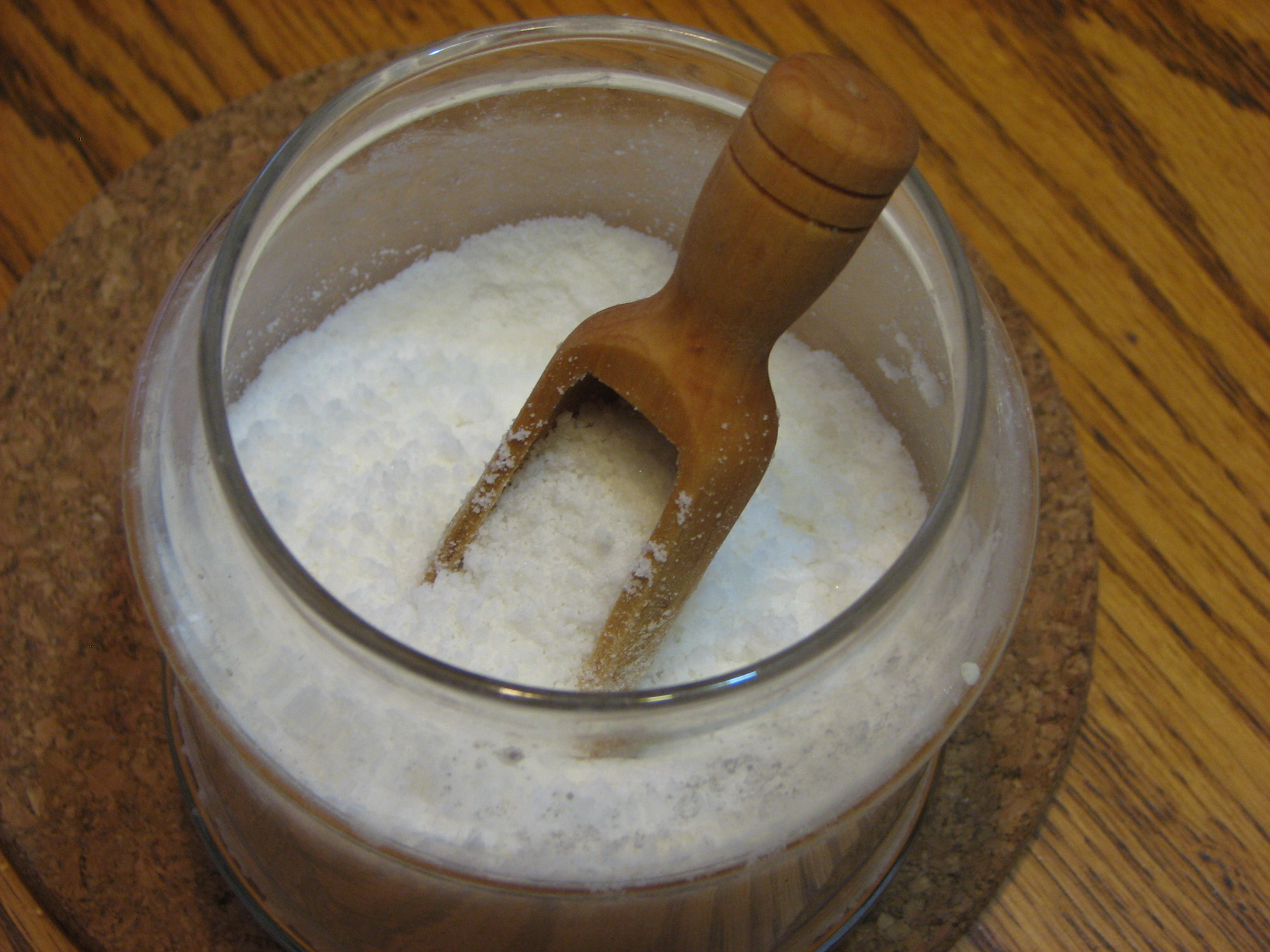
bath salts for a tired body. Sea salt, epsom salt, camphor, and euchaliptus oil refresh


I make lip balm, body spritzers, bath salts and teas, and massage oils. I am happy to share my knowledge if you will but ask.

I also enjoy making and using fresh face masks.  I will share with you a recipe I enjoy using. Remember you are working with perishable items so don’t make more than you can use within a day or so and refrigerate any leftovers in a sealed container.

Avocados are rich in natural oil, protein, vitamins A, B, and E, and unsaturated fatty acids.  I include it in lip balms and skin products.

Avocado Face Mask

Mix 1/2 avocado, one teaspoon honey, and one tablespoon plain yogurt until creamy.  Spread on skin and let sit for 15 minutes.  Rinse with warm water, pat dry, and apply your regular moisturizer.

variations

add 1 tsp of argan oil

add 1 tsp of coursely ground old-fashioned oatmeal

add 1 egg white

Posted in bath and body products, DIY, Recipe | 6 Comments

The Spring Revival

It is late March and spring tempts me with warm & breezy days.  They are calling for snow showers this evening… but the sunshine of the past two days has revived my spirit.  I know that warm sunny days are once again forthcoming and I feel ready to begin preparations for another growing season.   Cool weather and yes snow, will be the exception not the rule.

Our greenhouse was damaged by strong winds over the winter and is in need of  repair.  My husband and son have been combining their expertise; redesigning structural flaws and repairing what was damaged.  In a few days I will be able to get into the greenhouse for its designed purpose, and start the seeds for my garden plants.  I went through the seeds I saved from last year to determine what I need for this growing season.  I have been scouring Harris Seed catalog and making  final selections of seed.  I will order today and by the time they arrive, my greenhouse will be ready and waiting!  I have a large garden and I grow a wide variety of vegetables: Green beans, sugar snap peas, beets, kale, turnips, cucumbers, swiss chard, lettuce, spinach, lots of tomatoes (last year I had 75 plants), sweet peppers, a few hot peppers (I grew so many last year I only need some for table use) winter squash, summer squash, watermelon, cantalope, pumpkins and of course lots of flowers!  I love zinnias and sunflowers as they lend beauty and definition when planted strategically. I also make use of marigolds for their beauty and because they detour insects.  I grew broom corn last year to use as the backdrop for zinnia flower bouquets used as decoration at my daughter’s wedding.  I loved it so much I want to grow the corn again this year. It’s tall and graceful and the flower heads produce an attractive sweep of autumnal color.

I love my garden because I am in control of what goes into it, and consequently what is in the food we eat.  I plant enough to share with the flora and fauna and limit my use of chemicals to those I feel safe consuming.  I don’t believe in the “organic” hype because being the wife of a horticulturist, I am well versed academically with what the “organic” farmers utilize and I can honestly say their “natural” chemicals are generally more harsh than the select chemicals I choose to use if necessary.  We implement integrated management practices, as my husband has his entire life, to work with nature to produce a healthy crop.  In all things I find it advantageous to work with nature.  All of my garden produce is eaten fresh, or preserved by canning, freezing, or drying.  I have multiple freezers in my basement, along with a pantry of canned goods made by my own two hands.  I have whole tomatoes, stewed tomatoes, hot and mild salsa, tomato soup, tomato juice, chili, spaghetti and pizza sauce, applesauce, green beans, beets, peaches, pears, plums, cherries, dried herbs, jams and jellies of every kind and canned chicken and beef vegetable soups.  The freezer holds corn, fruits, fruit jams, greens, & sweet peppers.  Needless to say most of my summer is spent growing and preserving food for the next year.    I love the satisfaction and security of growing and preserving the majority of what we eat.

We plan to start blackberries, raspberries and strawberries this year.  This will be my husband’s project.  He suffered a heart attack 18 months ago and realized, after  a lifetime  of working on the family orchard, that he can no longer withstand the lifestyle of a top-notch commercial orchard.  This is a perk for me because now I can make great use of his horticulture/agriculture degree, networking,  and expansive expertise to diversify what we grow on our little farm.  The trick will be to keep the goats in their pen and out of the bramble patch!!!

After 25 years it’s also time to start a new asparagus patch.  We have researched the varieties available today and plan to grow “purple passion.”  My husband chose this one because it grows purple, can be grown blanched under plastic to produce a white and tender plant, and when cooked turns green.  We will build two raised beds along side the greenhouse; one for strawberries and one for asparagus.  The advantage of raised beds is that they make much easier work of planting, growing, caring for, and harvesting the beds.

Another project on the back burner is to plant bamboo.  We love the idea of a “green” screen and I want to harvest the plants to use as stakes or trellises for garden use.   I’m sure I will find other uses of the sturdy stalks once I have it available.

I have chosen to live life as self-sufficient as I can manage.  It is, in part, a decision based upon my heritage growing up as a farmer’s daughter.  My father lived through the Great Depression and Daddy made it perfectly clear each day I lived at home that hard work, planning, creativity, risk taking, physical labor, doing for oneself, and always being good to others were the keys to security.  It requires most of my free time taking care of my farm and feeding my family, but all of this work proves to be therapy to combat the stresses of my day job!

You don’t have to sacrifice all your free time to enjoy the benefits of growing food you can eat.  Container gardening takes up a limited amount of space and investment.  All you need is a sunny location, regular watering, and occasional feeding to produce tomatoes, lettuce, greens, flowers, herbs, cucumbers….or whatever strikes your fancy.   If you have some space try a raised bed instead.  Feel free to ask how to make a raised bed if you are unsure, as my husband would be glad to share the information.  Eating vegetables you grow yourself is so rewarding and a great way to introduce children to both gardening habits and the joys of eating fresh.

As March fades into the past and April comes to life, consider what you can grow this growing season, make some plans, and take action to enrich your life and bring simple pleasures to the table.

Posted in Uncategorized | Tagged | Leave a comment

Bread of Life….by hand

“Bread”
When times get tough
And pressures seem intolerably high,
I get a yen to give the yeast a try
And taste and smell the ancient real bread stuff.

Is it the punch and knead that mends my soul?
The elemental peasant hidden deep?
Or fragrant smells of childhood long asleep?
The shiny growing life within my bowl?

Oh blessed time of trial turn on your heat
For I am yeast-swell, bubble, double, rise!
As I pass on to younger nose and eyes the Magic, healing nuances of wheat.
Written by Mary W Lutzke, published in The Encyclopedia of Country Living, 1977.

Making bread by hand is as much therapy for the soul as it is food for the body. I love the way the house smells on bread-making day and I love the sense of satisfaction I get from kneading the dough. And you do have to get your hands dirty….making bread involves learning to get a “feel” for the dough. You must try making bread a few times to get an understanding of how much flour to add. If your early attempts at making the perfect loaf are not stellar, the good news is that you will learn from your mistakes how the dough needs to feel in order to get the perfect loaf. In short, use a tested recipe and make sure to use the kind of flour indicated to get the best results. The best advice I can give is this: A white flour dough has just the proper amount of flour and kneading when the dough becomes smooth and silky. If you keep adding enough flour to whole wheat dough to keep it from being sticky, you will end up with a dry hard loaf. Experience will help you gauge just the correct amount.

On kneading….I think this is the fun part of bread making. The dough begins as a soft gooey mass and finishes as a silky controllable orb. To knead you lightly flour a flat surface. Dump your dough onto the surface and sprinkle with flour. Begin bringing the side furthest away from you towards the center of the dough and then using the heels of your palms push toward the top center of the ball. Turn the dough a quarter turn and sprinkle with flour. Repeat the process but be cautious about how much flour you add after the first few turns. Work the dough with as little flour as possible until the glob is smooth and can be worked without sticking. If your dough still has holes that develop during the knead, keep working because the flour has not been properly incorporated. A parting tip….you cannot add moisture after you begin the kneading process or you will end up with an unworkable glob!

Let’s begin with a white bread…
You will need a large bowl! and I prefer wooden spoons to mix the dough.
1/2 c warm water
1/2 tsp sugar
2 pkgs yeast (or 5 tsp dry yeast)
_________________________
2 more Cups of warm water
5 T sugar
1 tsp salt
2 T butter
5 1/2 c white bread flour
Dissolve yeast in 1/2 c warm water with 1/2 tsp sugar. Mix the 2 c warm water with sugar, salt, melted butter and then stir into the yeast mixture. Beat in 2 cups of flour, then add 1 cup at a time until dough is stiff enough to turn out on a floured board. Let rest for 10 minutes and then knead until smooth and elastic. Put in greased bowl and cover. Make sure you turn the dough over in the bowl so that both sides are greased. The ungreased side would form a crust.
Let rise in warm place until doubled in bulk. Tip: The dough will hold its shape after 2 fingers inserted in the top of dough are removed. Gently knead down and shape into 3 loaves, place in greased bread pans, cover and let rise until doubled. Bake at 350 degrees F for 30-40 minutes until nicely browned. The loaves will sound hollow when tapped. To keep a soft crust brush with melted butter after removing from the oven. A note on bread pans….buy standard sized pans that are not covered with a dark coating. The darker the pan the harder the crust.

For those of us that love Whole Wheat Bread try this recipe! It is a family favorite. I use a pastry whole wheat flour for lighter texture bread or stone-ground whole wheat flour for a coarser loaf.

2 pkgs yeast (5 tsp dry yeast)
3 c warm water
4 c white bread flour
4 T white sugar
2 T salt
_______________________
1 c packed brown sugar
6 T shortening
4 c unsifted whole wheat flour
2 c pumpernickle rye flour
2 c additional white flour
Dissolve the yeast in 3 cups warm water. Add flour, sugar, and salt. Let sit in warm place for about 20 minutes until bubbly. Combine brown sugar, shortening, and 1 cup hot water. Let cool to lukewarm and add to risen mixture. Add whole wheat flour, pumpernickle flour, and remaining 2 cups of white flour. Mix as long as you can, then turn onto floured surface. Knead for at least 15 minutes until dough is controllable and elastic. Place in greased bowl and turn. Cover with towel or plastic wrap and let rise in warm place until double in bulk (about 1 hour). Turn onto well floured surface and separate into 4 balls. Shape into 4 loaves and place in bread pans. Let rise, covered with towel, until doubled or about an hour. Don’t let rise too long or the dough will either climb out of the pan, or rise too high and then fall when baked. Bake until crust is brown and sounds hollow when tapped. 30-40 minutes. Remove from pans and cool on racks. Butter top of bread while hot and store in plastic bags after cooled. I keep the bags from store bought bread to use for my home made bread. It will keep about a week outside the frig without molding during the winter, but probably won’t last that long during the summer. If you are afraid you won’t be able to eat all the bread without it spoiling, wrap with plastic wrap and freezer paper and freeze until ready to use.

Other uses of home made bread…
Croutons-Cut into cubes, drizzle with oil and seasonings to taste and bake in the oven at 400 degrees until crispy but not burnt. You will need to stir the cubes once or twice to get even browning.

Bread crumbs: Cut less than fresh bread into small cubes and process in the food processor. Crumbs can be dried in a slow oven at 250 degrees until dry and then bagged for storage.

If you have questions about how to make bread, feel free to ask. I am glad to share this “Life’s Simple Pleasure” with the next generation of bread makers.

Posted in Uncategorized | Tagged , | 7 Comments

The Bread of Life

Bread Machine loaf

Egg Bread

Homemade bread is one of Life’s Great Simple Pleasures.  Made in a bread machine or the product of loving hands, homemade bread nurtures the body and the soul.  The trick to making bread is not being intimidated by your “less than best efforts”.  Bread making is an art and it does take practice to hone the skill, but the results are almost always tasty if not perfect.

I’ll start by offering some great recipes for the beginner.

A bread machine makes wonderful bread with very little effort and is almost fail-safe.  Having said that, I have had my share of failures…  Usually because I was not precise enough measuring the ingredients.  My failures usually get eaten by my family and if they turn up their nose, the birds are always appreciative!

My favorite bread machine recipe book, given to me by my sister, is titled Bread Machine Magic by Rehberg & Conway. One of the best recipes is for Egg Bread.  When my chickens are in good egg laying form I make this bread as often as every day.

Egg Bread

For a 1 1/2 pound loaf

3/4 c milk

2 eggs

3 cups bread flour

1 1/2 tsp salt

3 Tblsp butter

1/4 c. sugar

1 1/2 tsp active dry yeast

Place all ingredients in bread pan in order listed, select Light crust setting, and press start.  Cool before slicing.

Another Method

Mixer bread-dough is ready to shape when it pulls cleanly away from sides of the bowl.

kneading bread with the mixer

My kitchen-aid mixer offers another method of bread making that is pretty easy.  Mix the dough with the bread hook until it pulls away from the sides of the bowl and leaves the sides clean.  Take the dough out to rest on the counter while you wash the bowl, dry, and spray with nonstick oil such as canola.  Return the dough to the bowl and cover with plastic wrap or a clean kitchen towel.  Let dough double, knead down and shape.  You can use a muffin tin, a 13 x 9 oblong cake pan, cookie sheets, or several 8″ round cake pans.  Let the rolls rise until doubled and then bake in a preheated oven.

Whole Wheat Dinner Rolls

2 pkgs active dry yeast (or 5 tsp of dry yeast)

2 1/4 cups warm water (110-115 degrees)

1/4 c shortening

2 eggs

1/2 c plus 1 Tblsp sugar

2 tsp salt

3 c whole wheat flour

3 1/2 to 4 c all-purpose flour

1/4 c butter melted

In a large mixing bowl, dissolve yeast in warm water; let stand for 5 minutes.  Add shortening, eggs, sugar, salt and whole wheat flour; beat until smooth.  Add enough all-purpose flour to form a soft dough.  Use the hook to knead the dough until it pulls away from the sides of the bowl cleanly.  This usually takes only a few minutes.  Remove hook,  let dough rest on counter, clean bowl, spray with oil and return dough to bowl to rise until doubled.  When doubled, massage down and divide into four portions; shape each into 12 balls.  Place 1 inch apart in greased baking sheets or pans.  Cover and let rise till doubled again, about 25 minutes.  Bake at 375 degrees for 11-15 minutes or until browned.  Brush with melted butter.  Field: 4 dozen.

Next week I will post a few of my favorite bread recipes that I mix by hand.  I will offer encouragement and advise to walk you through the process so that you will be successful.

Happy Baking!

Posted in Recipe | Tagged | Leave a comment

Just being together…

My husband and I recently celebrated 33 years of marriage. When we discussed what each of us wanted as an anniversary present, we agreed that time together to talk and “just be” was the best present we could give each other. We ate lunch at a local diner and ran some errands; all the while bringing memories of our past to life again, as well as, looking forward towards the future. Unromantic you say….We talked about good and bad times we lived through as a couple and marveled at the strength of the love we have for one another. It was a great present to give each other!

Materialistic “things” would never have been strong enough on their own merit to get us through the tough spots all these years. We were lucky to have chosen wisely and married our soul-mate; someone who would love us no matter what. Someone who shares the same joys. Someone who is different enough from ourselves that our life is both enriched and challenged by their presence. Someone who loves us enough to keep working at keeping the relationship alive.

The next time a special occasion approaches for someone close to you, consider the value of sincerely sharing yourself. Make time to “just be,” to talk, to share, to dream, to remember.

Do It Yourself Lip Balm that keeps your lips ready to share…
Makes 4-1/2 ounce portions

1 Tbsp beeswax pearls
1 Tbsp avocado butter
2 Tbsp sweet almond oil
10-15 drops essential oils (peppermint, tea tree oil, eucalyptus, vanilla or rose scent, etc) Read the labels to make sure the oils are pure and contain no alcohol!

Melt beeswax, avocado butter, and almond oil together in a double boiler or heat safe bowl in simmering water; stir continuously. Once liquefied remove from heat and wisk in essential oils. Working quickly transfer to a container with a pouring spout and fill lip balm containers. Cool until completely cooled and solid. Label and store in a cool, dry place.

Ingredients and suitable containers may be purchased at your local craft store, or check out BrambleBerry.com.

Posted in Uncategorized | Tagged , | Leave a comment